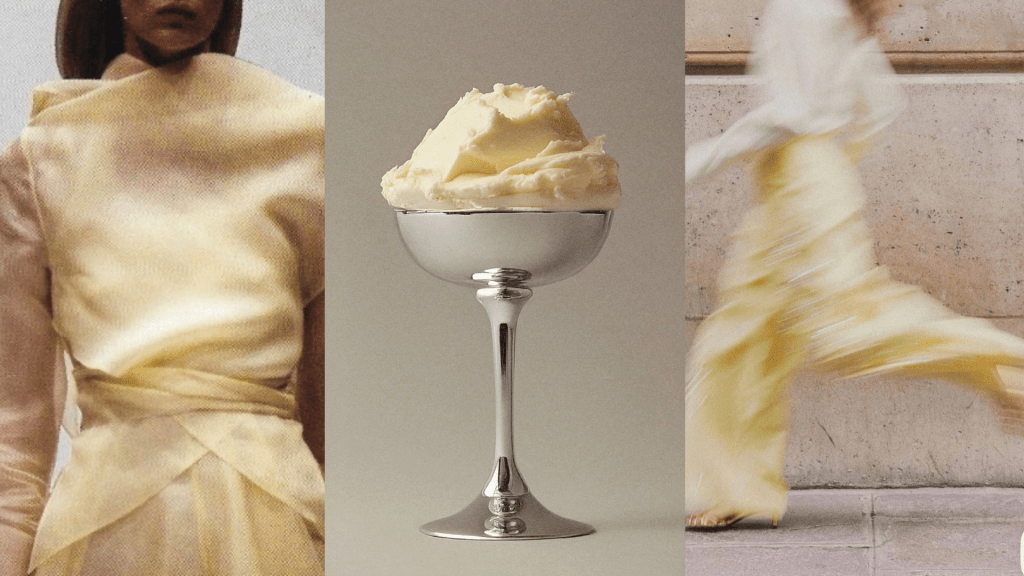
The science and emotion of fashion’s most wearable yellow.
Soundtrack of this piece:
Loïc Prigent, the famous French fashion journalist, asks Jonathan Anderson how they call yellow at Dior.
He answers: “Butter Yellow”.
And out of the entire podcast, that is the only thing I retained. Butter Yellow. And, suddenly my mind had developed a complete and absolute fixation.
A podcast I recommend, by the way:
And that is when I understand that my intuition is asking me to talk to you about it. Butter yellow is not new. In fact, it has been with us since 2024, when Givenchy, Proenza Schouler, or Jacquemus started introducing it into their collections.
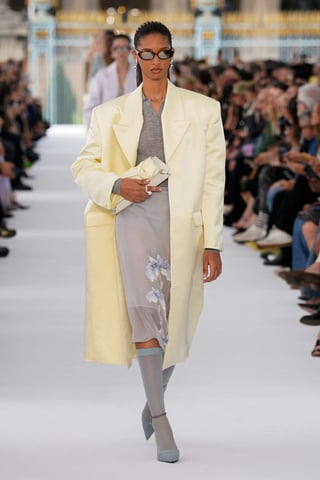
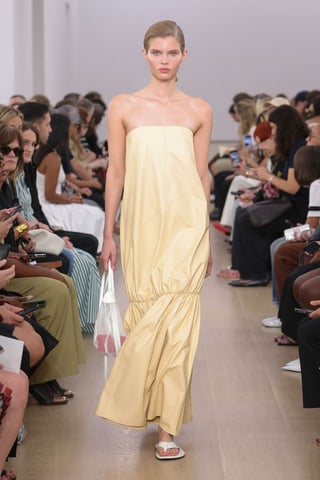
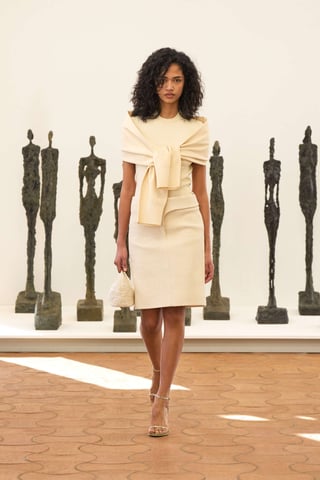
Its peak, however, comes in 2025. Not only mass-market giants like Zara began to integrate it, but celebrities such as Timothée Chalamet or Hailey Bieber adopted it into their lifestyle.
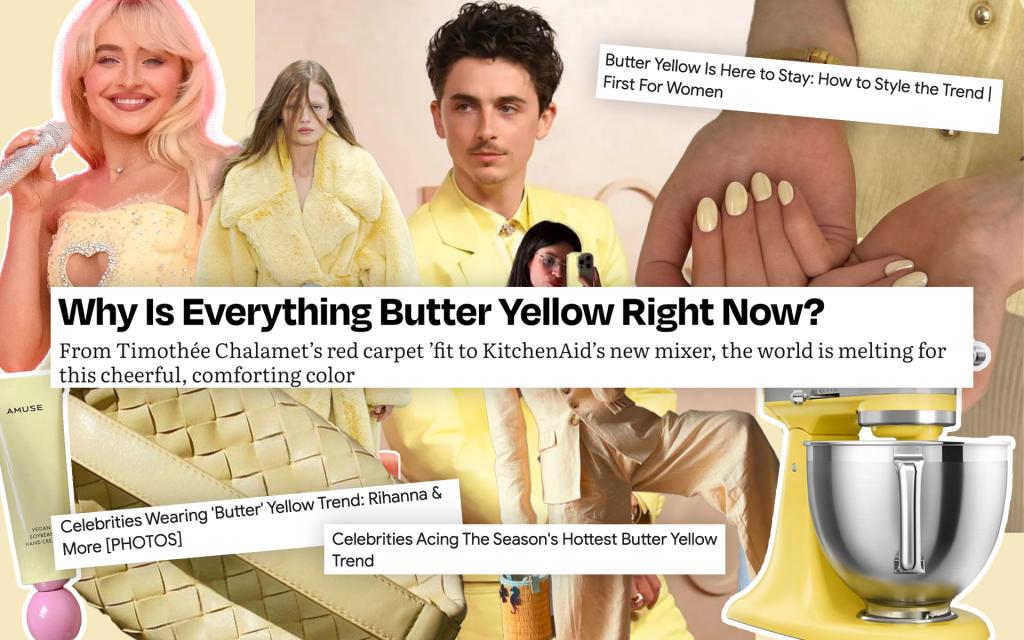
So you may ask: if this is already an established trend, why talk about it now? Why can I not stop seeing it? Why this fixation?
Summer is approaching. Good weather inevitably shifts our mood. Butter yellow reflects that shift. It evokes a sunny spring or early summer day. Soft enough to resemble the warmth of a mid-afternoon sun on the beach, gently touching your skin. That feeling of fullness and warmth that takes you straight to that long-awaited moment by the sea. You have felt it, ins’t it? On your cheek. Butter yellow is that feeling made fabric.
Clothing has the ability to generate feelings and emotions through associations and memory. The psychological underpinning is enclothed cognition. This concept was introduced by Hajo Adam and Adam Galinsky in a 2012 study published in the Journal of Experimental Social Psychology. The premise is simple: what we wear influences how we think and feel, through both symbolic meaning and physical experience. A garment, through its color or what it reminds you of, can shift your emotional state. And so, a grey day can become a sunny one.
Some refer to this as dopamine dressing. The term itself is not scientifically validated. What is validated is that color influences emotion. Warm-spectrum colors such as red, orange, and yellow are associated with higher energy and emotional arousal. Yellow, in particular, is linked to optimism, mental stimulation, and cheerfulness across multiple cross-cultural studies.
As Lisa White, Director of Strategic Forecasting at WGSN, states:
“Yellows have been increasingly appreciated for their optimism and nature-driven qualities that evoke pollen and sunshine, and this appreciation grew significantly since the pandemic.”
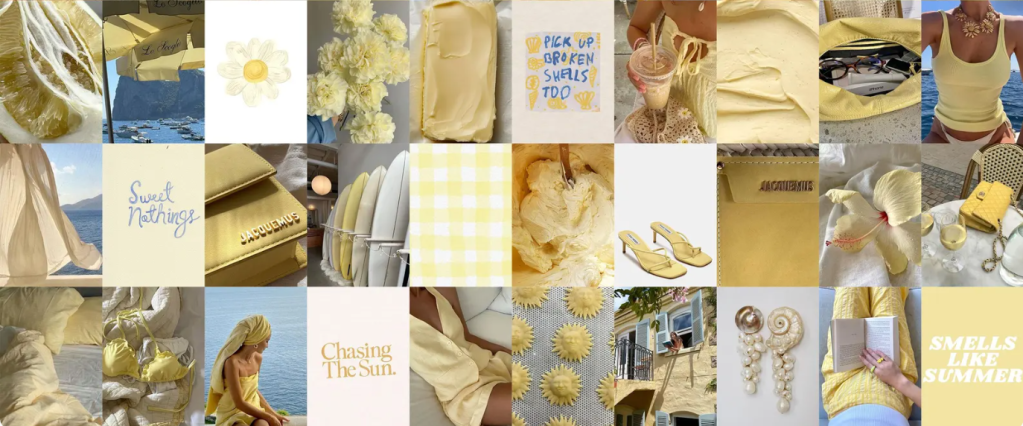
That said, not all shades of yellow are easy to wear. This is where butter yellow becomes the clear winner. It carries the energy and optimism of yellow without the harshness of neon, and without the dullness of mustard. It enhances an outfit with refined softness.
The structural reason butter yellow earns permanence is simple. It functions as a neutral. Its moderated saturation allows it to integrate seamlessly into a wardrobe. Subtle, but with enough presence to elevate. Colors that behave like neutrals do not leave your wardrobe the way trend colors do.
There is also the skin tone argument. Butter yellow is unusually democratic. Fair skin benefits from slightly deeper tones to avoid looking washed out. Medium skin tones gain warmth and natural glow. Deep skin tones create strong, luminous contrast.
Few statement colours can claim that level of universality.
Practical Perspective
However, how butter yellow works on you depends on your colorimetry meaning your natural palette, the one that aligns with you.
Spring
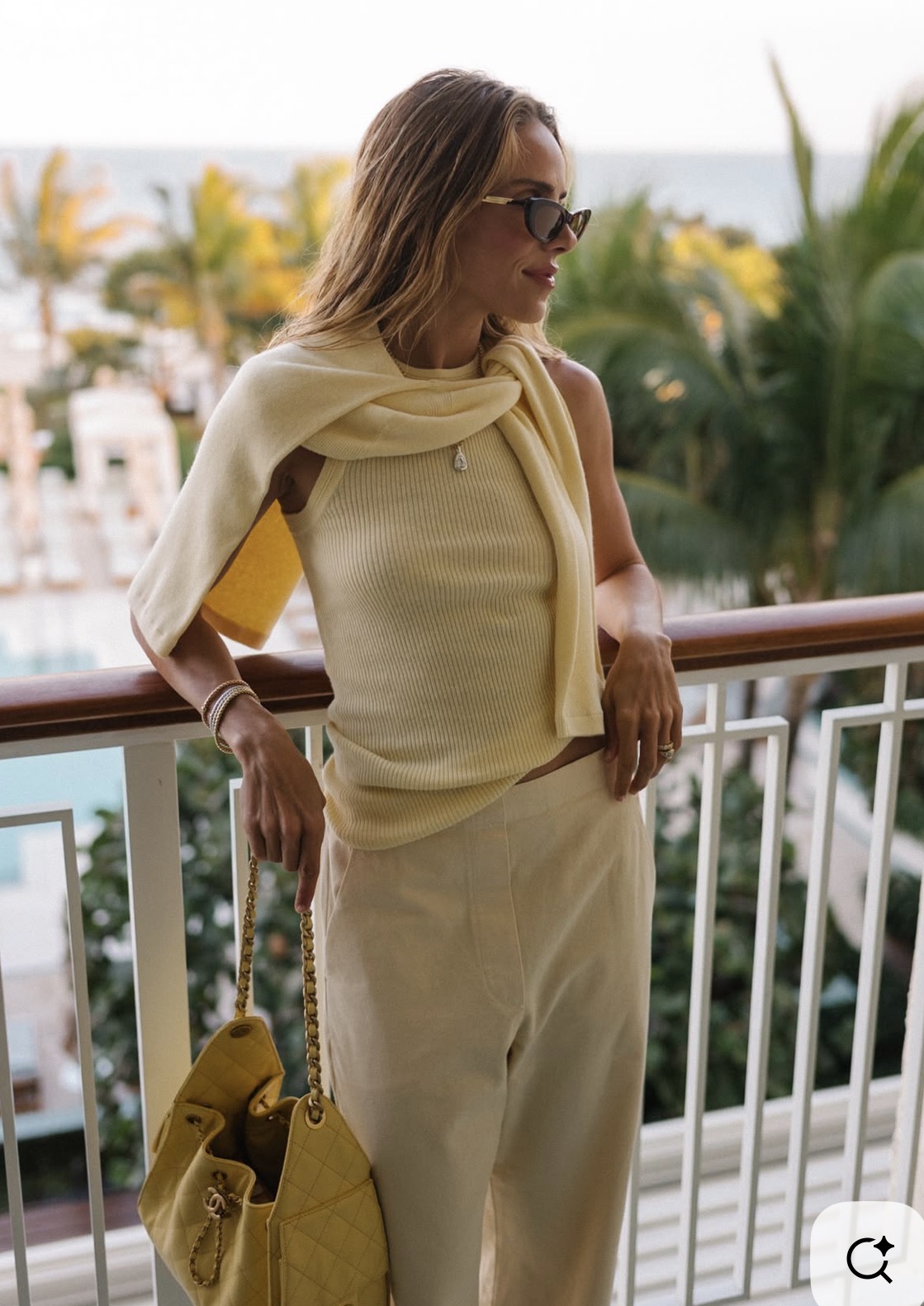
For Spring palettes, butter yellow is native. It integrates effortlessly and can be worn without restriction.
Close to the face or as a full look, it enhances rather than competes.
Pair it with ivory, peach, sun-warmed neutrals, or faded denim.
Summer
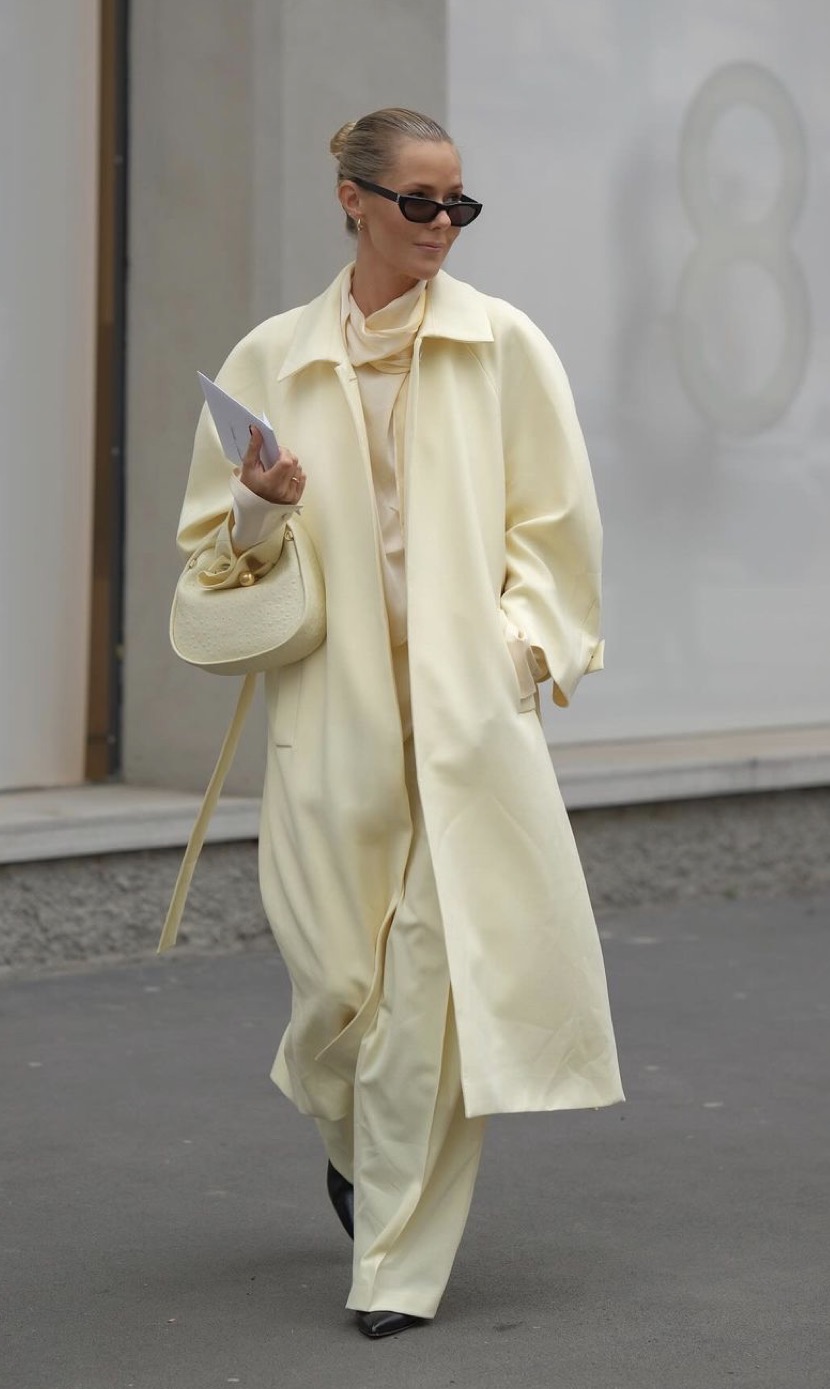
For Summer palettes, more control is required.
Your natural tones are cooler, softer, more diffused. Butter yellow must be softened to align.
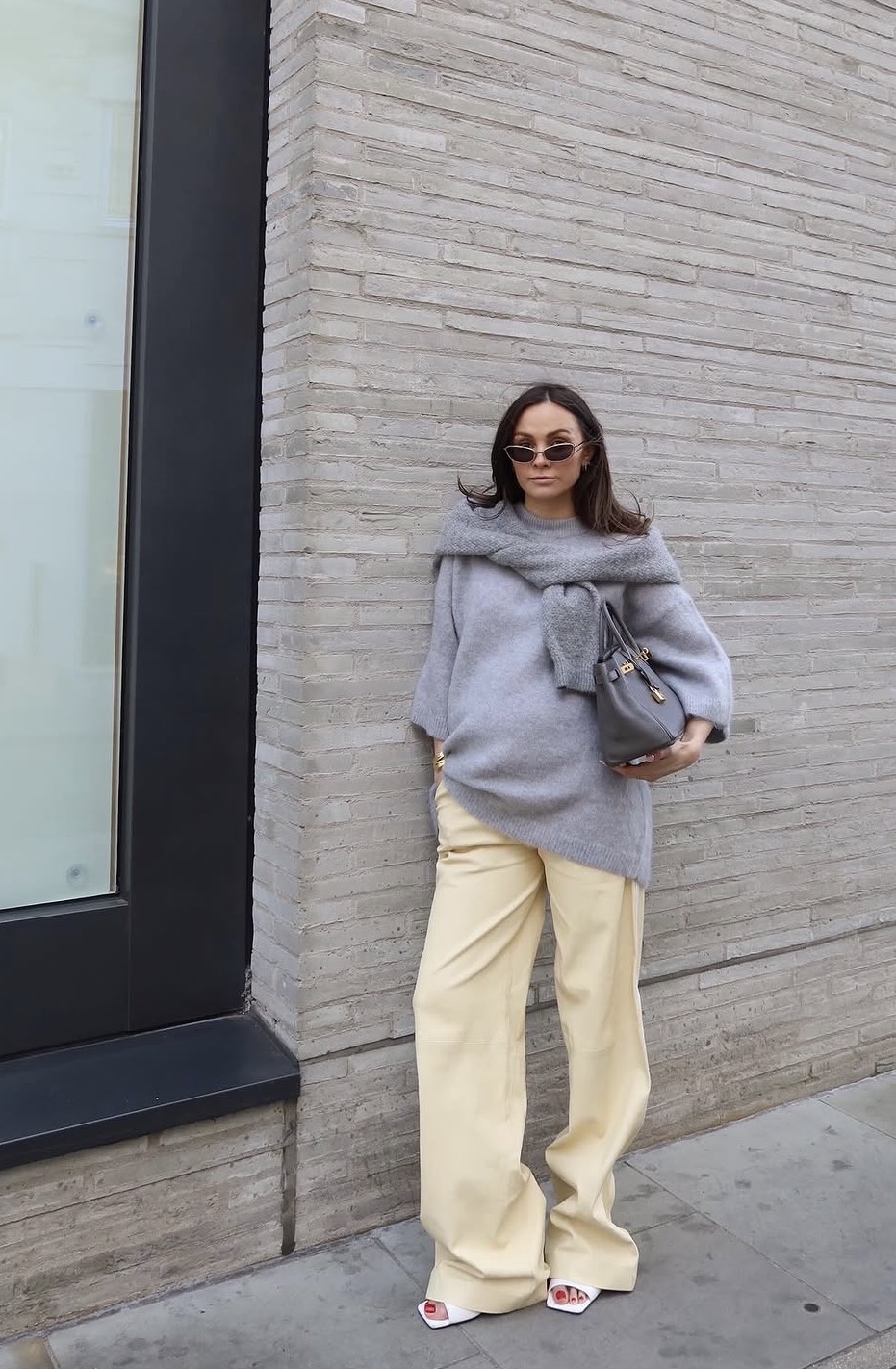
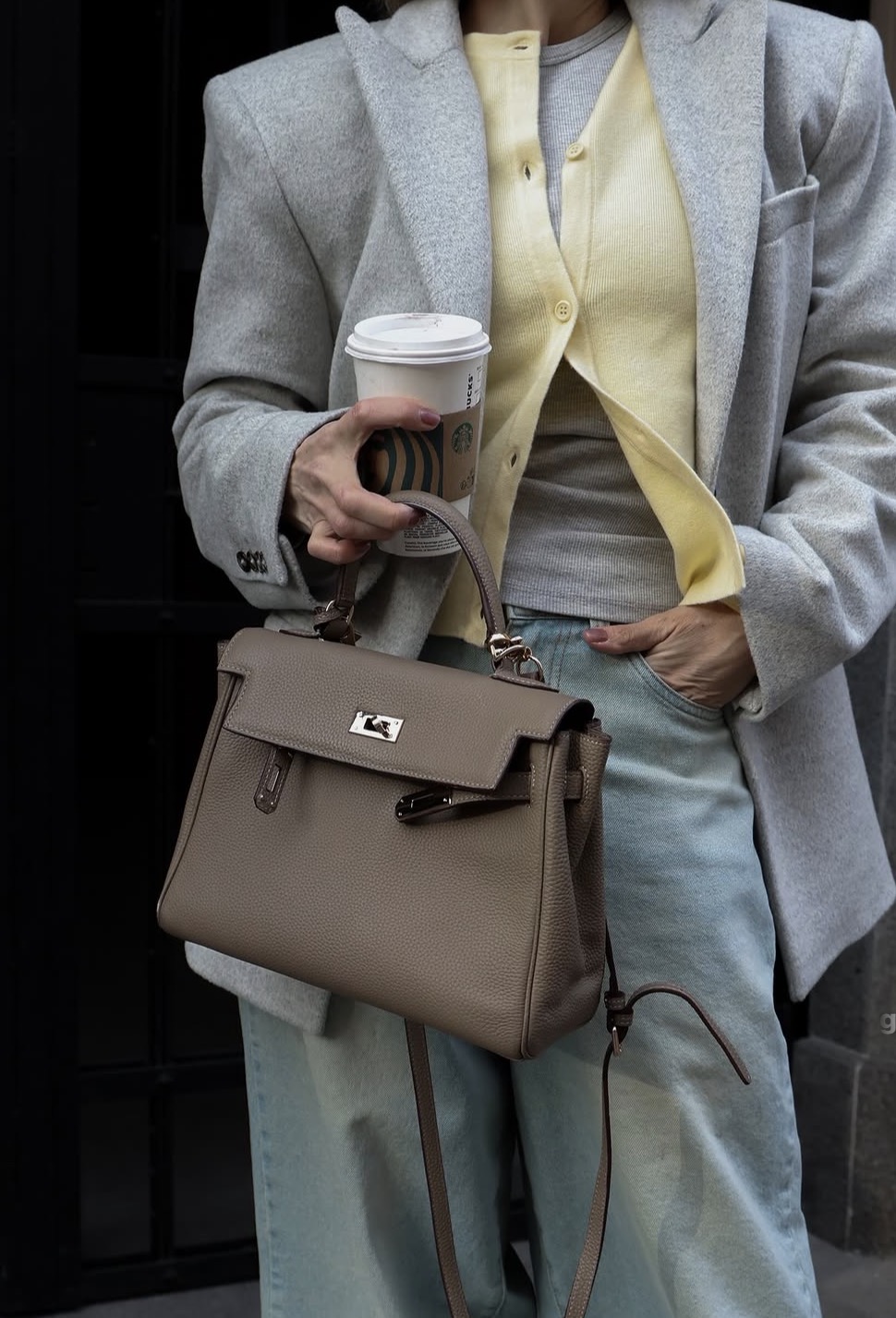
Use it away from the face. Keep it in the lower half, trousers or skirts work best. This prevents it from overpowering your natural coloring.
Layering is another effective tool. Combine a butter yellow top with muted tones from your palette, such as grey or washed blue. This acts as a filter, reducing its intensity before it reaches your face.
Autumn
Autumn palettes can wear butter yellow, but not as a focal point.
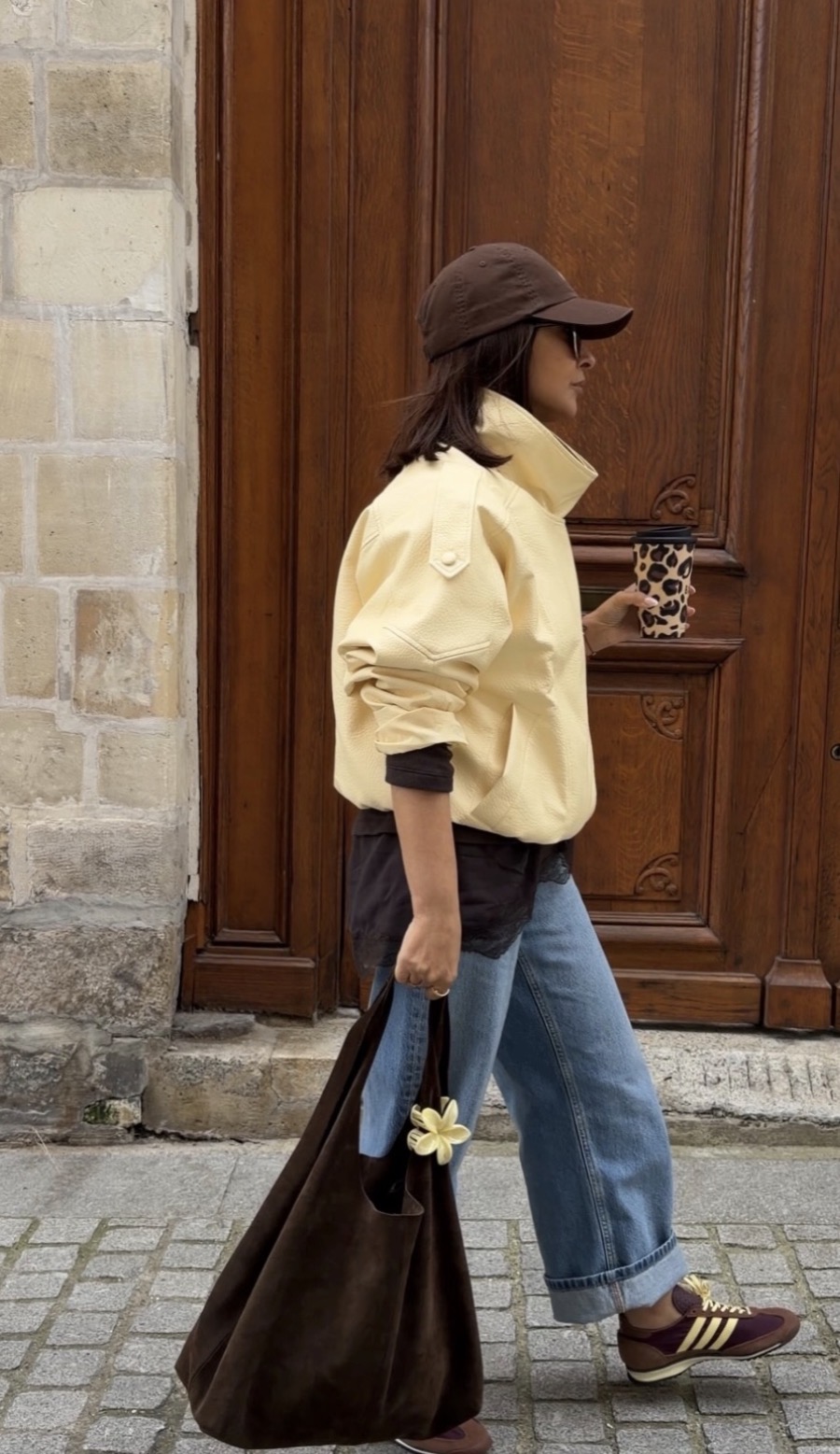
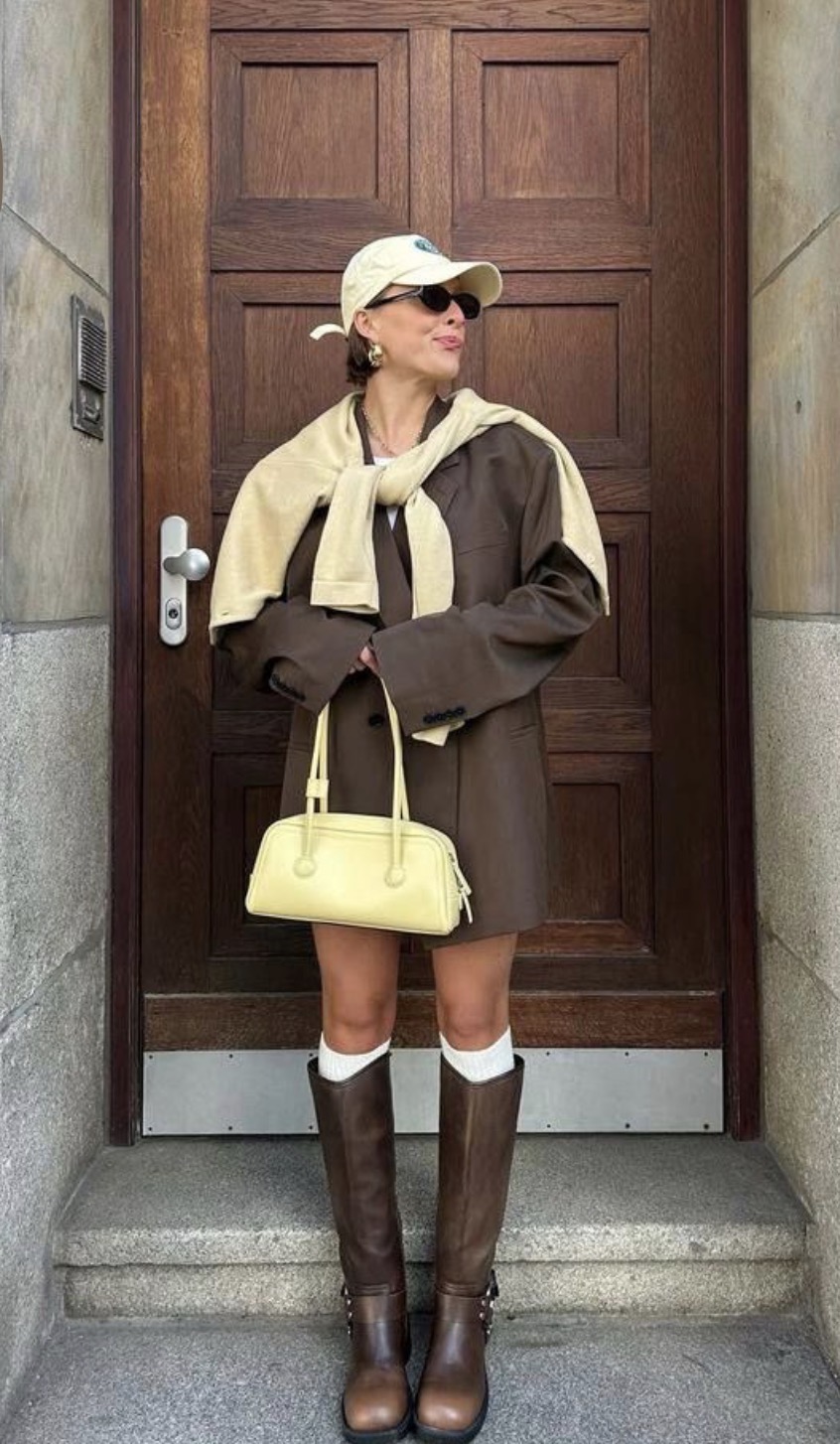
It should not lead the look. Use it as a secondary note within a richer, warmer composition.
Anchor it with chocolate tones or olive green. Both combinations create depth and visual harmony.
Think of it not as a base, but as an accent within something more grounded.
Winter
For Winter palettes, contrast is key and butter yellow does not naturally belong.
Still, it can be integrated with control.
Keep it away from the face. Use it in the lower part of the outfit or through accessories. It should never dominate.
Pair it with black or white for structure and clarity.
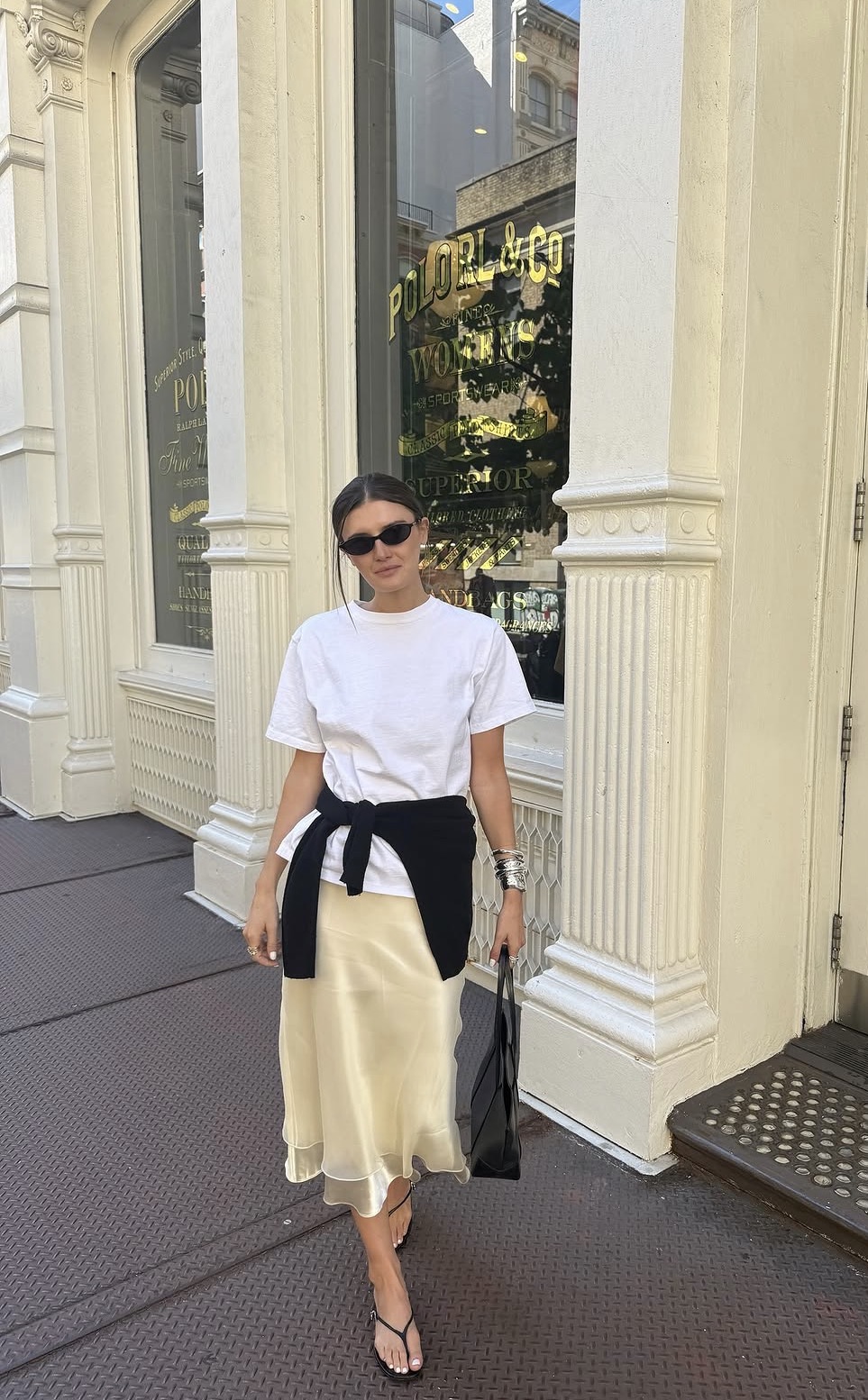
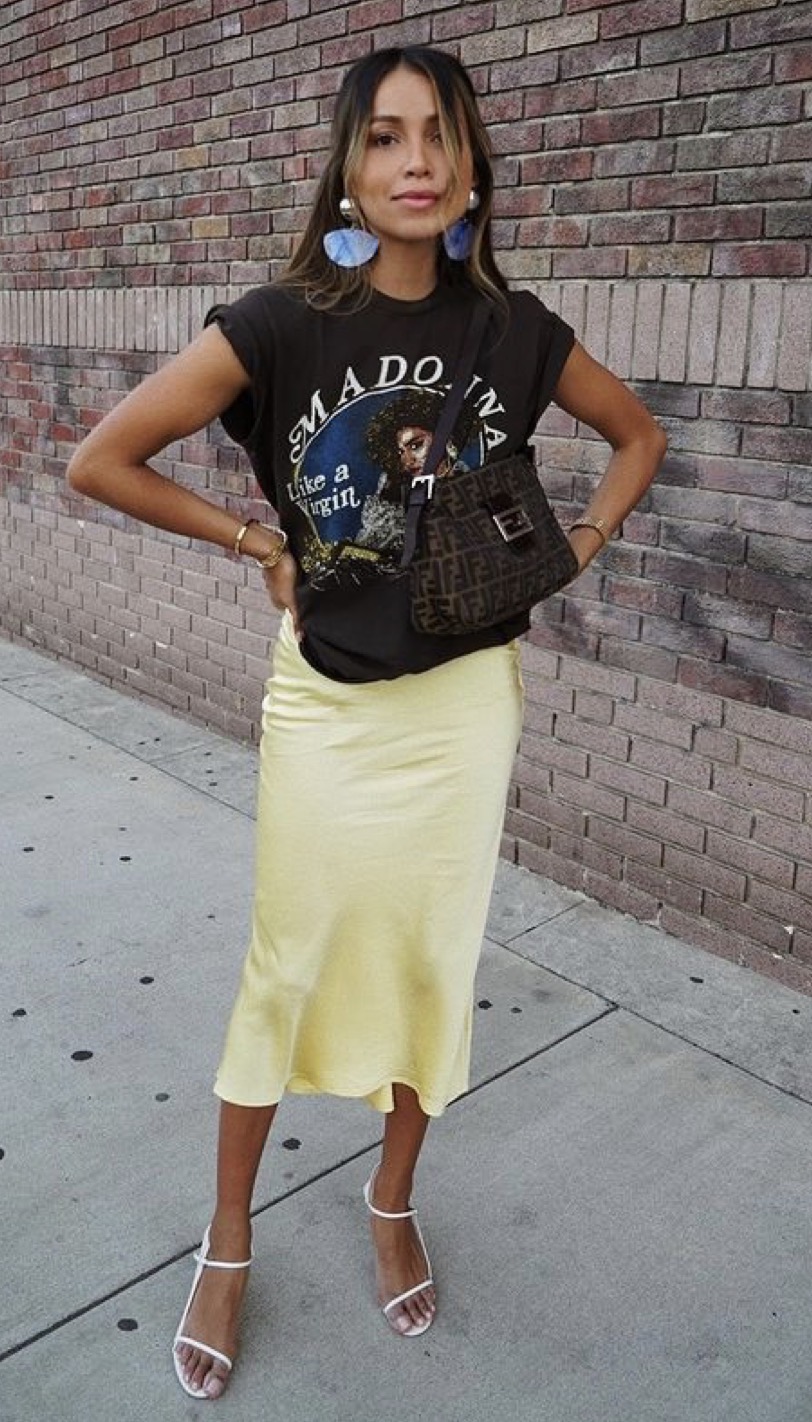
If this feels complex, reduce it to this:
- What sits close to the face speaks the loudest.
- What sits lower is easier to control.
- Accessories allow participation without commitment.
- Layering creates distance. Distance creates balance.
Finally, If butter yellow dulls your complexion, move it away from your face. Choose it in trousers, skirts, or accessories, and combine it with colors that naturally belong to you.
Want to discover your own colour palette? Join the Sardina’s Tales community on Substack.
So the real question is not whether Butter Yellow is “in” or “out”. It survives because it behaves less like a seasonal color and more like a mood regulator disguised as fabric. Which leads to the only honest conclusion: you are not just choosing a color when you wear it. You are deciding which emotional environment you step into.
Are you ready to choose your mood, regardless of the one you are currently in?
Butter Yellow will likely fade as a “trend topic”. It will not disappear from our curated personal wardrobes that have already internalized it as functional.
 Sardina's Tales
Leave a comment