
From luxury sneakers to barefoot shoes, how wellness is reshaping fashion’s priorities.
Soundtrack of this piece:
Comfort in fashion is no longer a side note. It’s becoming the story. Once, wellbeing and style rarely walked together, but sneakers have already proven how comfort can reshape the industry. Now, with wellness driving new desires, another unexpected player is entering the scene: barefoot shoes (or minimalist footwear). Could they be fashion’s next big shift?
It comes as no surprise that the industry has gradually welcomed sneakers and other forms of easy footwear into its repertoire. Perhaps the most telling proof lies in maisons like Louboutin or Roger Vivier. Those, once synonymous only with stilettos and now featuring sneakers as an integral part of their collections. What once seemed impossible is now everyday reality.
This brings me to a very different category of footwear, one long praised by podiatrists yet still considered niche: barefoot shoes. For those unfamiliar, barefoot footwear is designed to mimic the experience of walking barefoot, with thin, flexible soles and wide toe boxes that allow the foot to move and strengthen naturally.
I must confess, I had only brushed past this world until recently, when my trend-hunter’s eye caught sight of something intriguing: Vibram FiveFingers appearing as a quiet summer trend. Curiosity struck. Could barefoot shoes be the next big mainstream shift in footwear?

The thought reminded me of Demna Gvasalia, who famously catapulted chunky sneakers into luxury fashion, reshaping the market overnight. More recently, Balenciaga introduced the Anatomic Runner and the Zero Sneaker—both conceptually close to the experience of walking barefoot. Isn’t that, in essence, what barefoot footwear already is? And let’s not forget the Birkenstock Boston, which became a cult trend just a few years ago. In a way, barefoot shoes have always been lingering at the edges of our wardrobes, quietly tempting us.
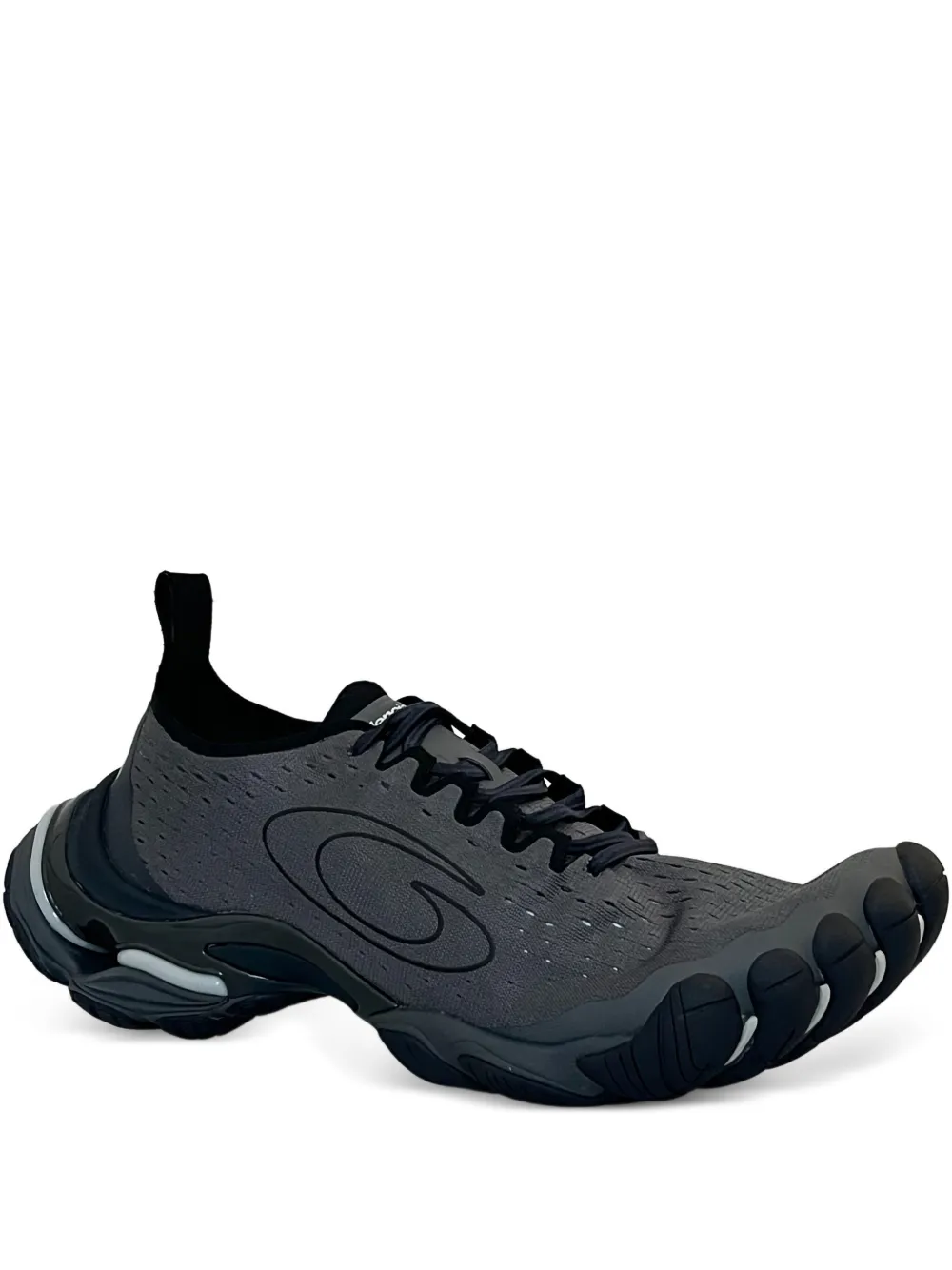
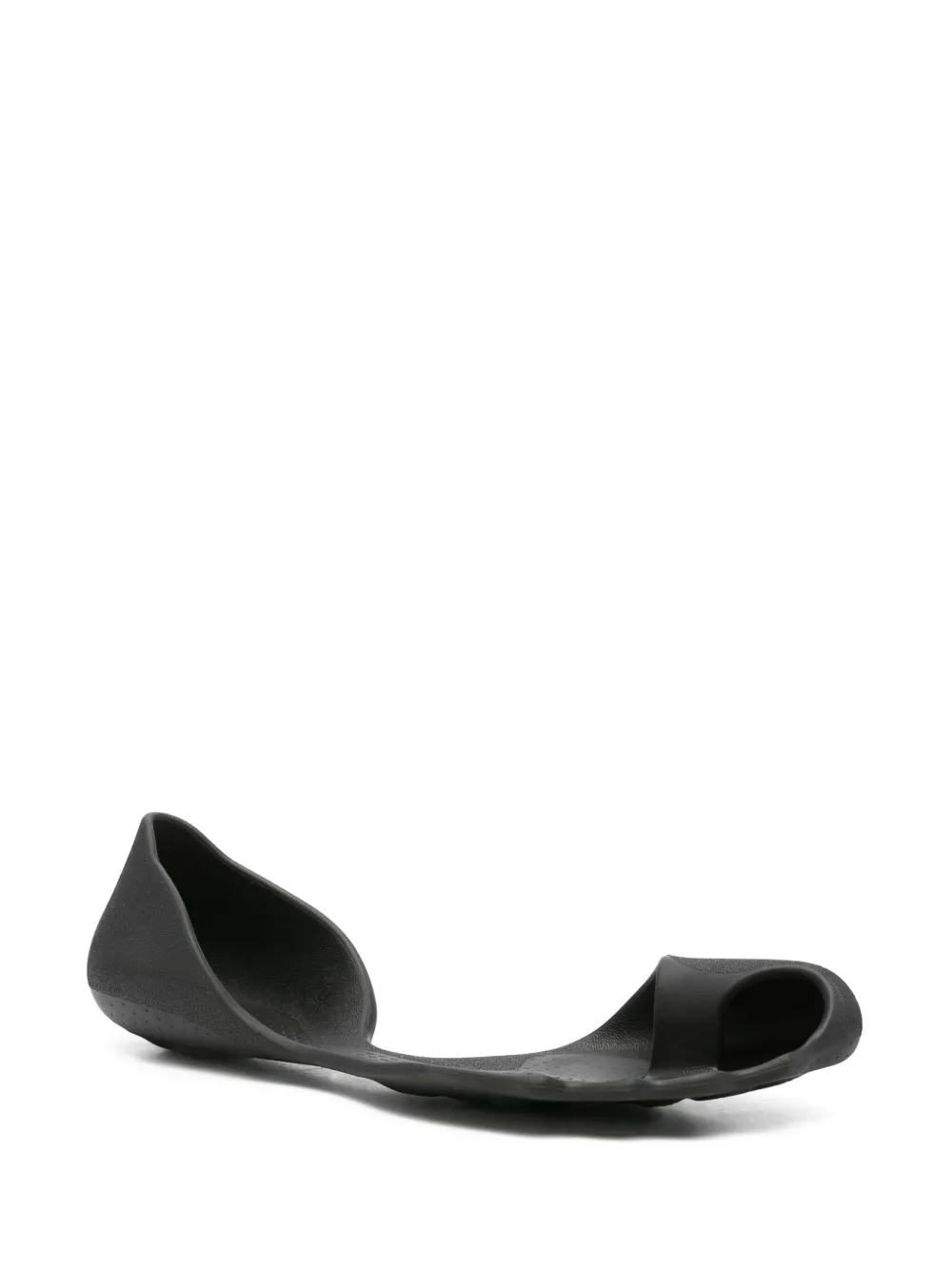
Look closer and you see similar signals elsewhere: Loewe’s Toy ballerina and Campo Loafer with their curious toe silhouettes, or new SU26 Dior Men under Jonathan Anderson, where the new sneakers resemble barefoot structures. Out of sheer curiosity, I have asked a designer at Dior Men if they were indeed working on barefoot-inspired shoes. He didn’t seem to recognize the term. We’ll have to wait until they hit the stores to judge for ourselves.


Anecdotes aside, the pattern is clear. Two of the most influential designers of the decade, Demna and Jonathan, are pointing toward a similar horizon. What we see with Vibram is perhaps just the consumer’s side of a dialogue already underway in luxury. Could we be at the dawn of barefoot footwear going mainstream?
Curiosity led me to search for barefoot brands that could feel both functional and aesthetically compelling. And yet, I must admit, I struggled to find one that truly resonated with me. While my initial search for truly aesthetic barefoot brands was a challenge, brands like Vivobarefoot, or Ohne Project, are starting to bridge the gap between foot health and contemporary design. So here lies my challenge to the industry: to merge the barefoot philosophy with the language of contemporary fashion, creating footwear that honors both wellness and beauty.
And, as if the universe were listening, just as I was writing these lines, Alohas —one of my preferred footwear brands—announced barefoot-inspired sneakers on Instagram. Thank you, Alohas, for answering my prayers, as you so often do. A small sign that the dialogue between comfort, wellness, and fashion might be accelerating faster than we think.


Of course, there are consequences. Barefoot shoes engage muscles in our feet that sneakers have long left idle. Transitioning must be gradual to avoid strain. And yet, the benefits are remarkable: improved balance and posture, stronger muscles, greater mobility, even a renewed connection with nature (see below).

For those wondering how to recognize this type of footwear, a simple clue lies in its shape. Unlike traditional shoes that narrow and compress the toes, barefoot shoes are designed with a wider, foot-shaped silhouette that allows natural movement.

To sum up, readers of Shoe Dog may recall how Mr. Onitsuka once confided to Phil Knight that he had a vision of a world where everyone wore sneakers. Today, I dare to make a prediction of my own: barefoot shoes will soon join sneakers as a wardrobe essential. In the near future, many of us will have at least one pair in our closets—not as an oddity, but as a staple.
And you, dear reader? Where do you stand on this?
 Sardina's Tales
Leave a comment